
Nightguards
Digital Nightguards and Occlusal Splints: Materials, CAD/CAM and What to Send
The nightguard is one of the most frequently prescribed appliances in general dentistry. At Digidental, over 97% of the time no adjustment or only a minor adjustment is needed, saving valuable chair time.
Our nightguards are comfortable for the patient and customized to each dentist's preferences.
Here is how Digidental designs, manufactures and checks its nightguards and occlusal splints.
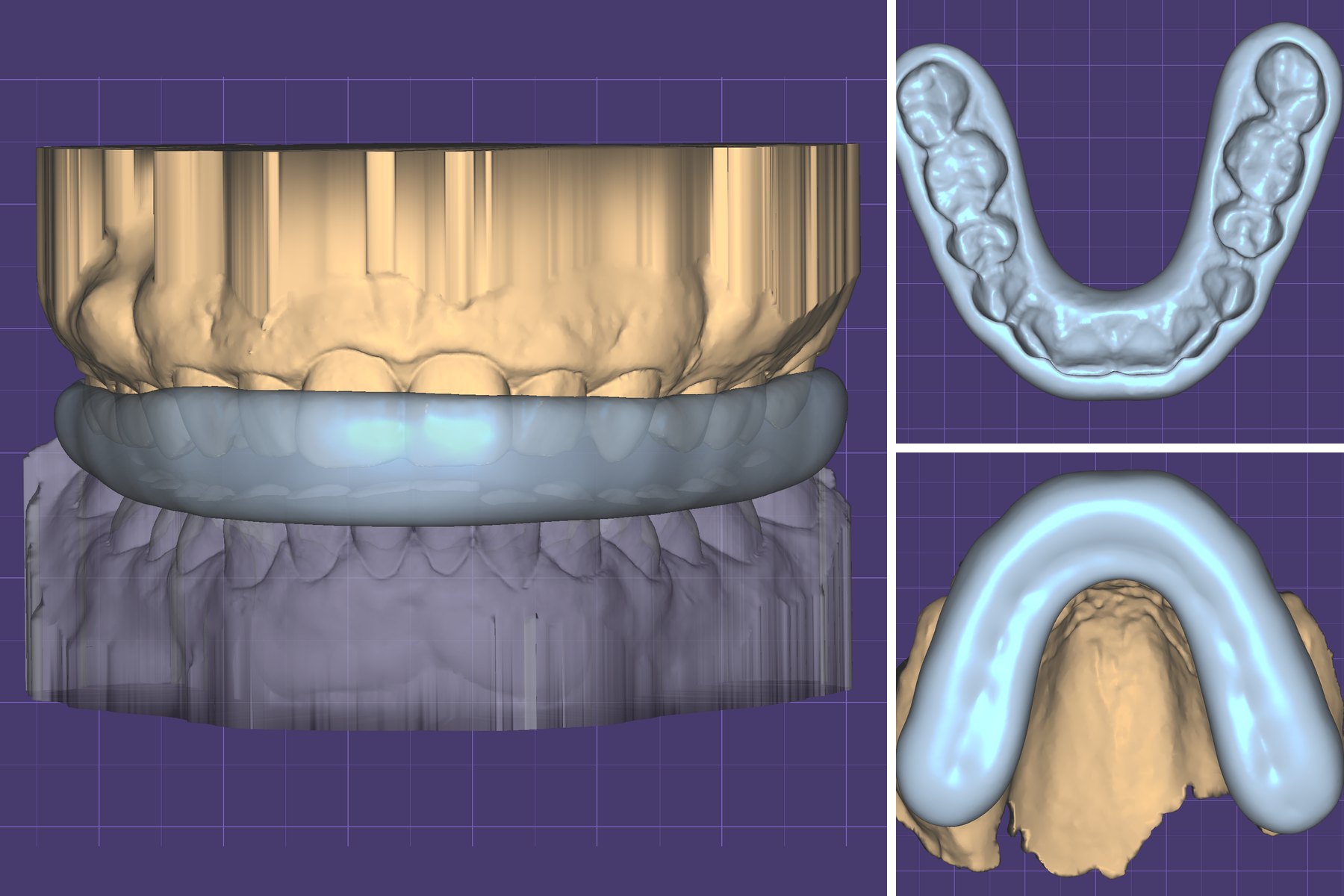
What is a digital nightguard?
It is designed in dental CAD software from digital arch files rather than formed by hand on a plaster model.
The design is archived, so the same appliance can be remanufactured without a new impression, for example if it is lost.
From digital design to polishing: our process
At Digidental, every nightguard is custom-designed to the dentist's prescription. We combine digital design with physical checks in the laboratory, so the appliance is ready to seat straight out of the box.
1. Case review and virtual articulator design
The scan or impression is reviewed first; if anything is missing, our team contacts the practice before we start. The appliance is then designed with a virtual articulator that analyzes the occlusion and simulates mandibular movements. This lets us refine occlusal contacts, lateral and protrusive movements, and functional guidance as you direct.
For you: a design that follows your prescription, with nothing left to chance.
2. Digital manufacturing: 3D printing or milling
Depending on the prescribed appliance, the splint is 3D-printed or milled from a PMMA disc. The design accounts for the requested thickness, generally 2 to 4 mm, fit to the tooth surfaces and the prescribed occlusal parameters.
For you: the thickness and occlusion you asked for.
3. Fit check on printed models
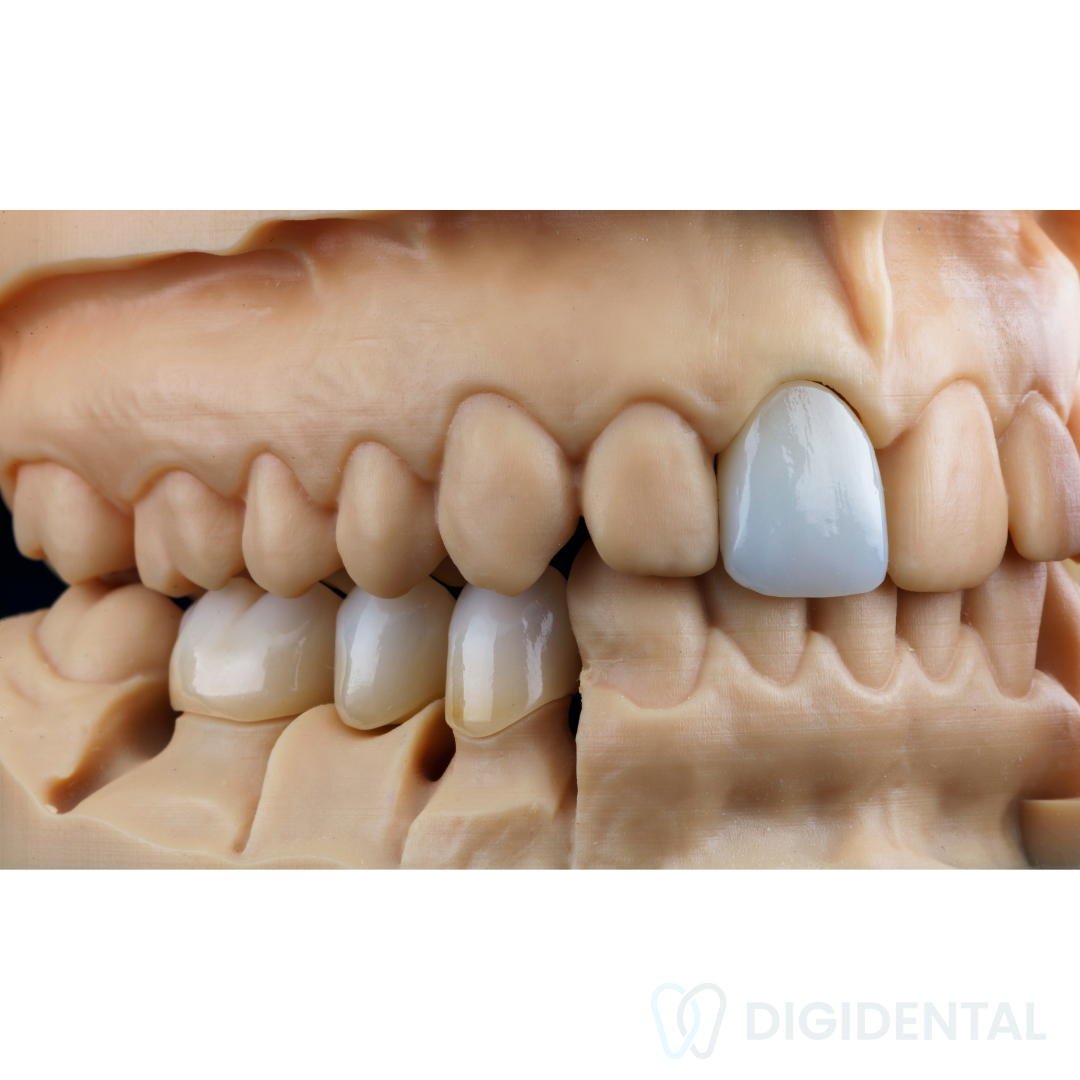
We also print the dental models to check the appliance's fit physically: insertion, stability and adaptation. When the case allows, we also check occlusal contacts and functional movements on articulated models. This completes the digital simulation and allows any corrections before finishing.
For you: an appliance that seats the first time, without lengthy chairside adjustments.
4. Finishing and polishing
Each appliance is carefully finished and polished: smooth surfaces, comfortable contours and a quality finish, without altering its functional design.
For your patient: an appliance that is comfortable to wear, night after night.
Why so few chairside adjustments
Combining virtual articulator design with a physical check on printed models is what drives our results: over 97% of the time, no adjustment or only a minor adjustment is needed.
A full range of occlusal splints
Depending on clinical needs and your preferences, Digidental manufactures:
- rigid milled PMMA splints;
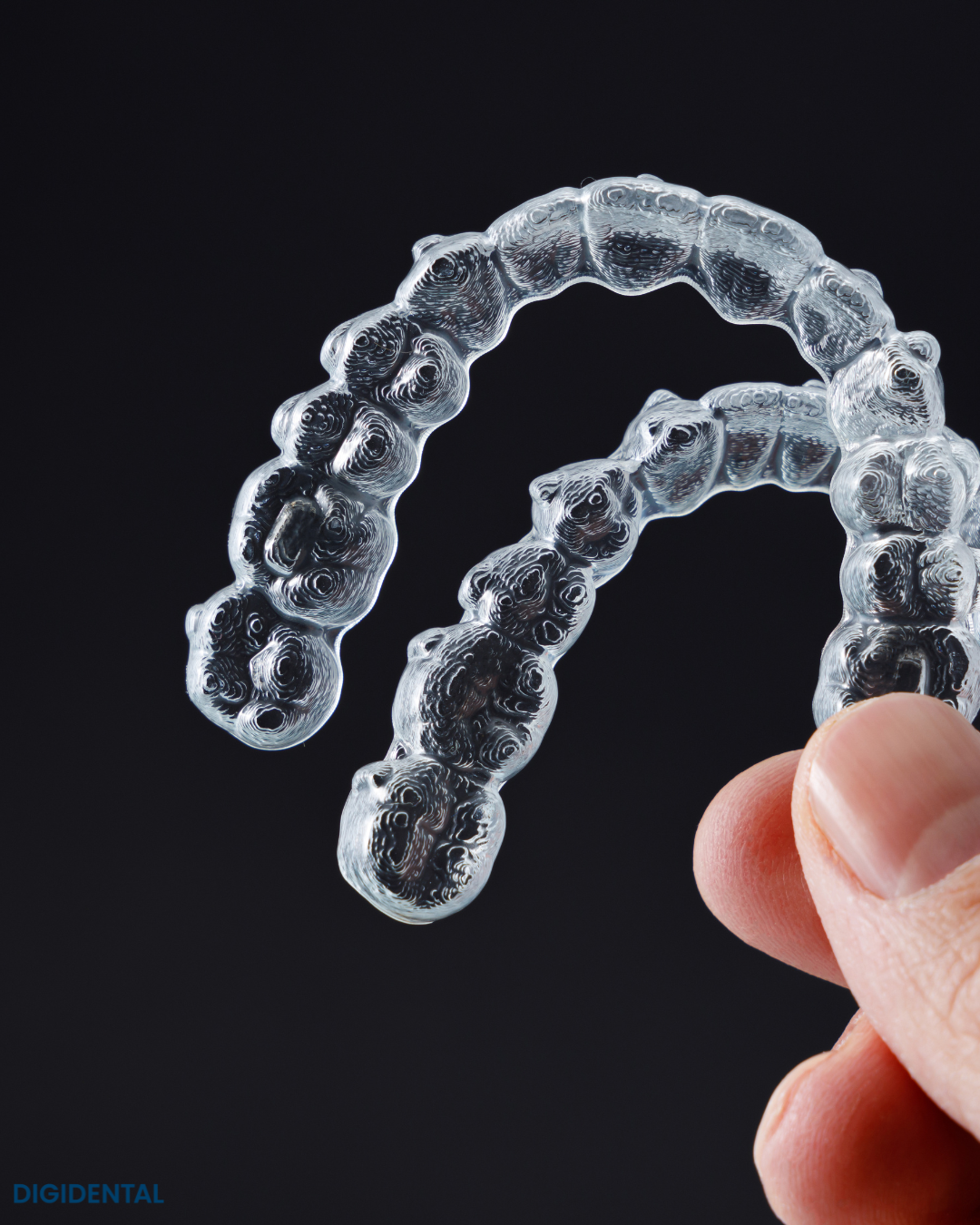
- 3D-printed thermoflexible splints;
- stabilization splints with balanced occlusal contacts;
- splints with canine guidance or anterior disclusion;
- Aube-type splints;
- other custom configurations to the prescription.
Simply state the splint type, thickness and guidance you want in your prescription: we tailor the design to your preferences.
What the laboratory needs
To design the appliance without guessing, Digidental needs:
- scans or models of both arches;
- the bite registration;
- the prescribed arch and appliance type;
- the requested thickness;
- any specific clinical instructions.
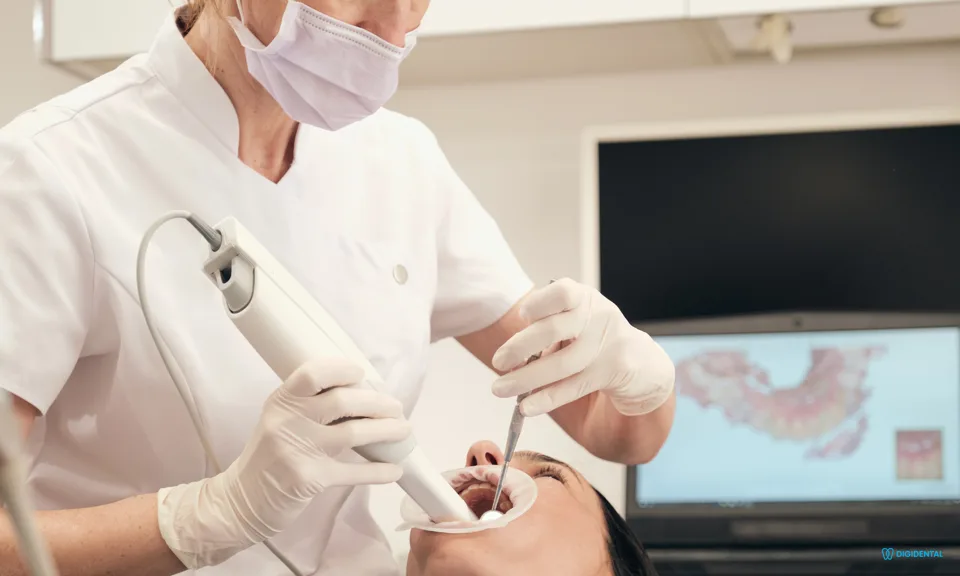
A misaligned bite in the scan is a frequent source of extra work. Check the digital articulation before sending; our iTero guide covers these checks.
Production time and ordering
Production time varies by appliance type and is confirmed at intake; shipping is additional. Conventional impressions or models can also be digitized at the laboratory.
Service details: Nightguards & Occlusal Splints.
Related resources
Frequently asked questions
Which nightguards does Digidental offer?
Rigid milled PMMA splints, 3D-printed thermoflexible splints, balanced stabilization splints, splints with canine guidance or anterior disclusion, Aube-type splints, plus other configurations to the prescription.
Do you use a virtual articulator?
Yes. Every appliance is designed with a virtual articulator that simulates mandibular movements. When the case allows, contacts are also checked on articulated printed models.
What is the difference between a milled PMMA splint and a thermoflexible splint?
A PMMA splint is rigid and milled from a disc; a thermoflexible splint is 3D-printed in a more flexible resin. The choice depends on the clinical indication and your preference.
Do you check the appliance before shipping?
Yes. Every appliance is tried on printed dental models to check insertion, stability and fit before finishing.
What thickness can be requested?
Thickness is customized to the professional's clinical requirements, generally from 2 mm to 4 mm.
Can a lost nightguard be remade without a new impression?
The digital design is archived, which can support remanufacturing the same appliance without a new impression.
Can I send a conventional impression?
Yes. Conventional impressions and models can be digitized at the laboratory.
Ready to send your next nightguard case?
Send scans of both arches, the bite registration, the splint type and the requested thickness.